Precise cutting of ceramics – without cracks, chipping, or thermal damage
Laser-waterjet technology for high-quality cuts in technical ceramics
What are the challenges involved in cutting technical ceramics?
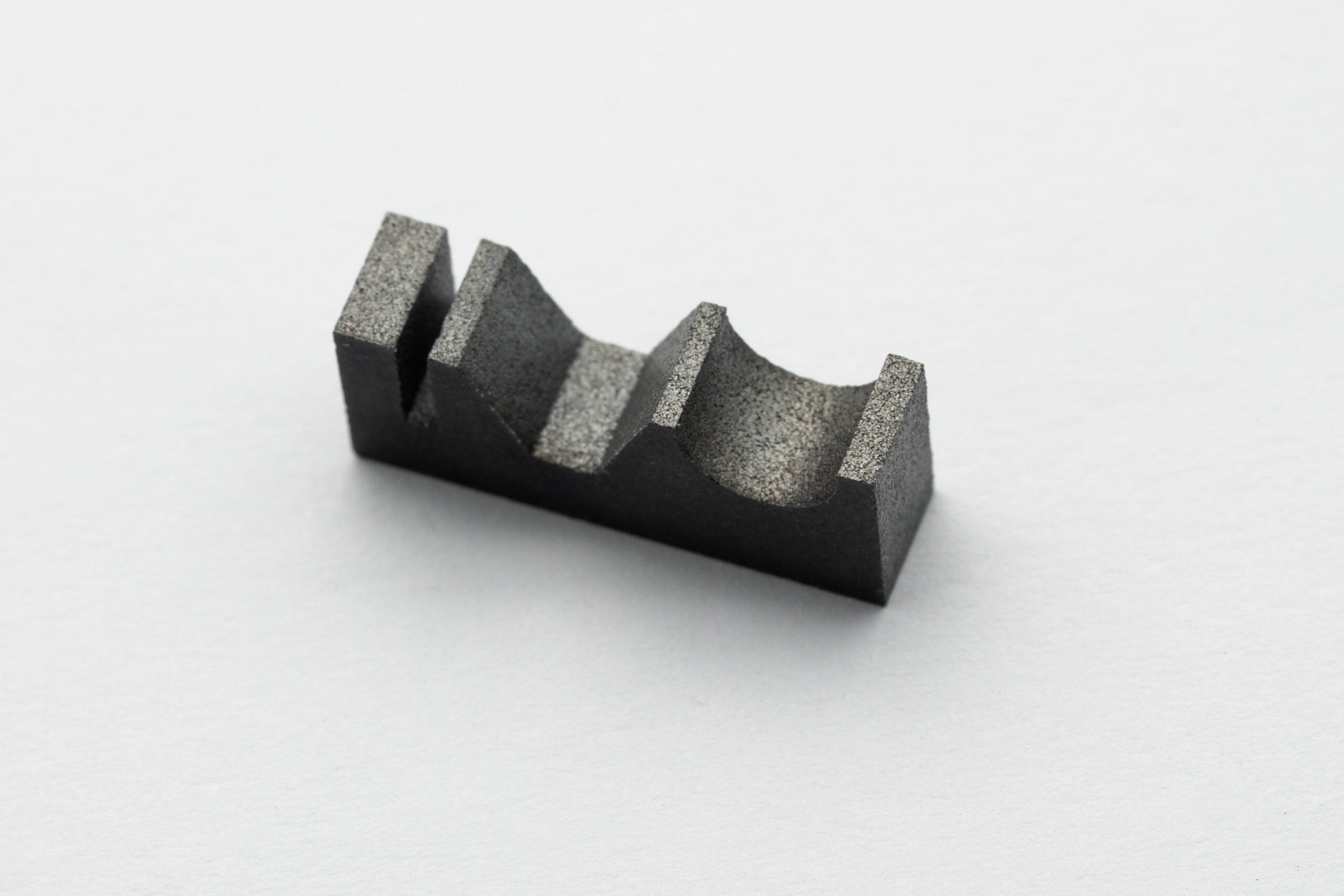
Cutting technical ceramics is a particularly challenging manufacturing step due to the high hardness and brittleness of the materials. Conventional methods often result in microcracks, edge chipping, and high tool wear, all of which directly impact quality, reject rates, and process stability. As a result, the following typical problems frequently arise in practice:
- Microcracks caused by mechanical stress
- Edge chipping in thin or delicate components
- Increased scrap rates for complex geometries
- Higher unit costs due to time-consuming post-processing (grinding, polishing)
- High tool wear on diamond tools
- Process instability in mass production
- Rising quality requirements
Many of these problems only become noticeable later in use, for instance through component failure or a reduced service life.
Our solution:
crack-free machining with Laserwaterjet-
technology
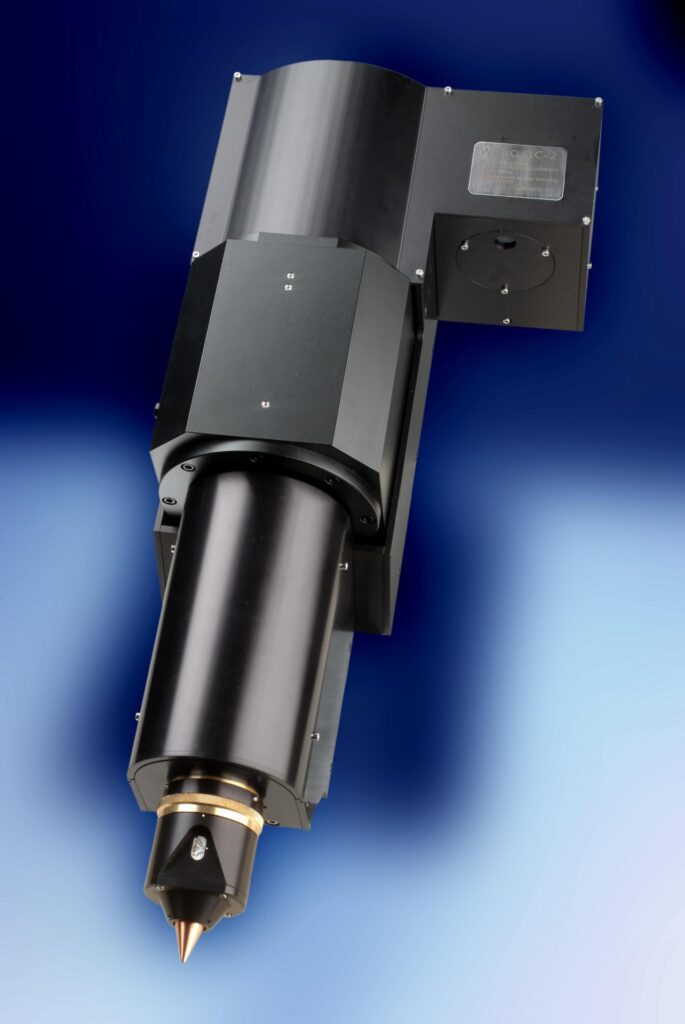
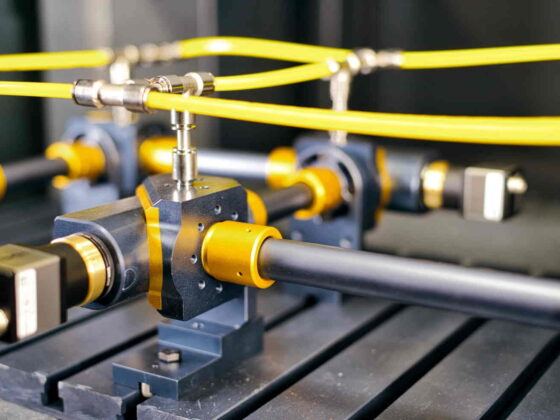
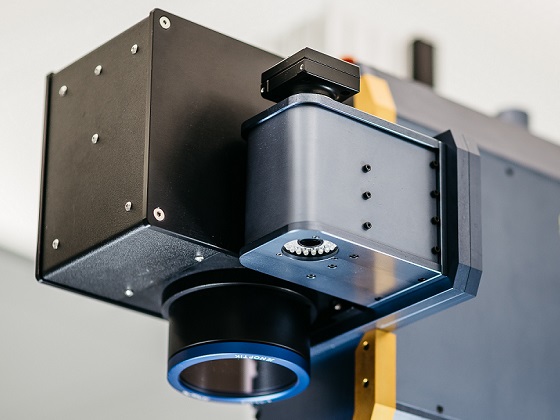
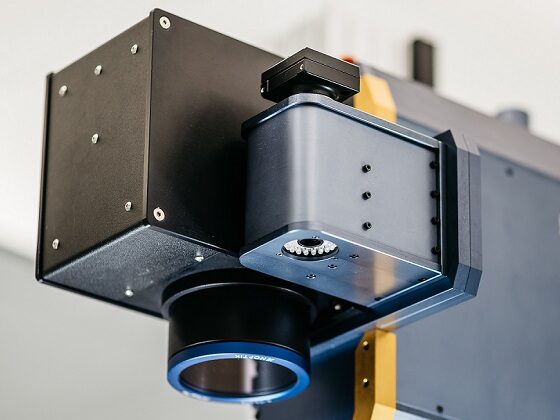
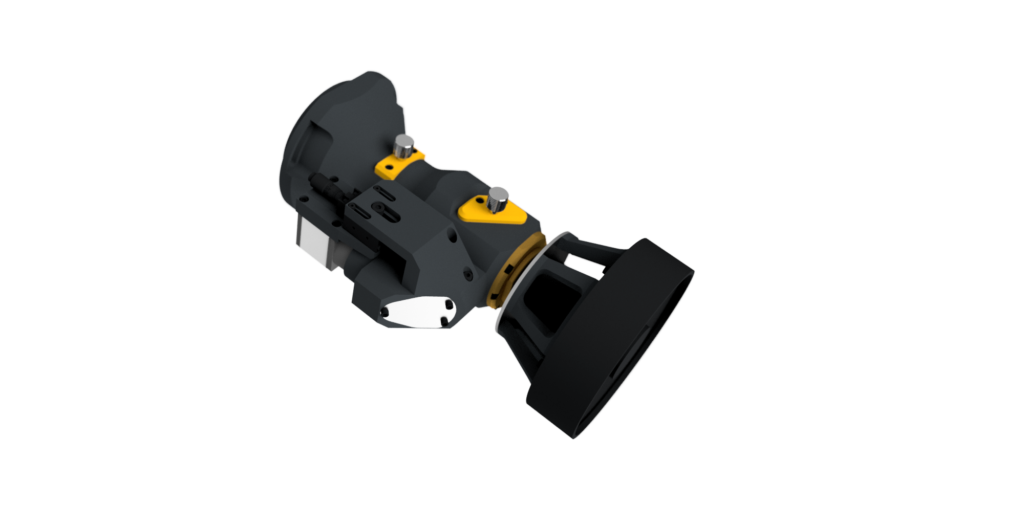
The Laserwaterjet combines a focused laser beam with a guided waterjet.
This waterjet serves both as a cooling medium and as an optical guide for the laser. This results in a virtually force-free and thermally controlled cutting process. These process characteristics offer specific advantages for machining technical ceramics:
- High edge quality, low surface roughness of the cut edge
- Low thermal stress thanks to the cooling effect
- Highest precision even with complex geometries
- Machining of brittle and hard materials
- Machining width-to-depth ratio: 1 to 100 (aspect ratio)
- Delicate machining: minimal material loss
- Reduced water consumption compared to waterjet cutting
- Reliable machining of 2.5D surfaces without focus adjustment
- No tool wear – no diamond tools required
- Materials to be machined: metals, brittle-hard ceramics, carbides
| Parameter | Specifications |
|---|---|
| Material thicknesses | 1 – 20 mm (higher on request) |
| Materials | Metals, brittle-hard ceramics such as Al₂O₃, SiC, ZrO₂, Si₃N₄, carbides |
| Aspect ratio | Up to 1:100 |
| Cutting kerf width | approx. 120 – 200 µm |
| Tolerances | approx. ± 10 µm |
| Cut quality | Nearly vertical cuts (opening angle < 1°) |
| Surface roughness | Ra = 1 – 2 µm |
| Water pressure | approx. 300 bar |
| Laser power | 50 – 100 W mean power |
Your advantages of laser and waterjet machining for high-performance ceramics

Quality
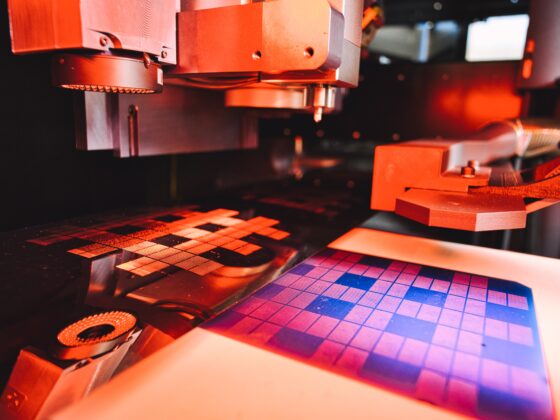
Crack-free cut edges in materials up to 20 mm thick at aspect ratios of up to 1:100, without the need for post-processing

Process Reliability
High process stability with low reject rates

Flexible Geometries
Cost-effective machining, even of complex geometries

High Lifespan
No tool wear
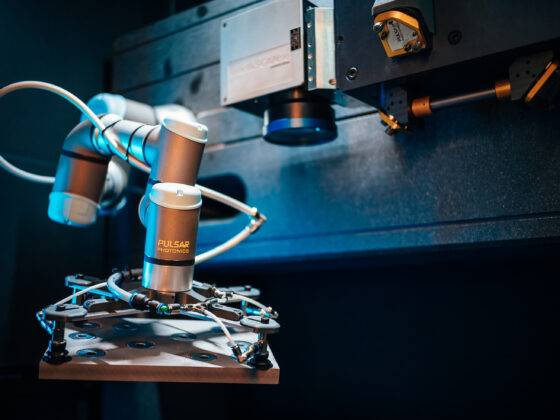
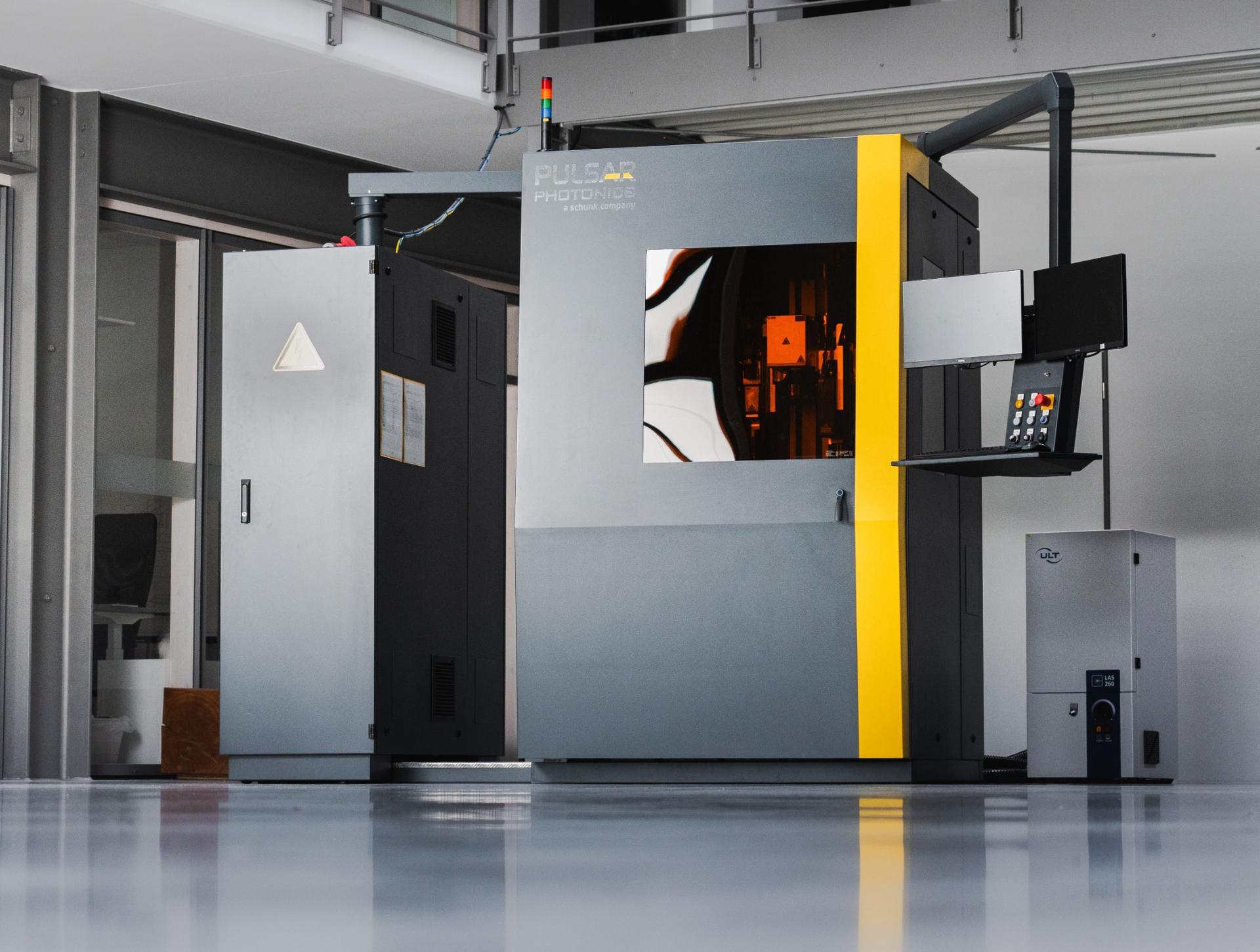
Machine Solution: Laserwaterjet cutting with the RDX1000 LWJ
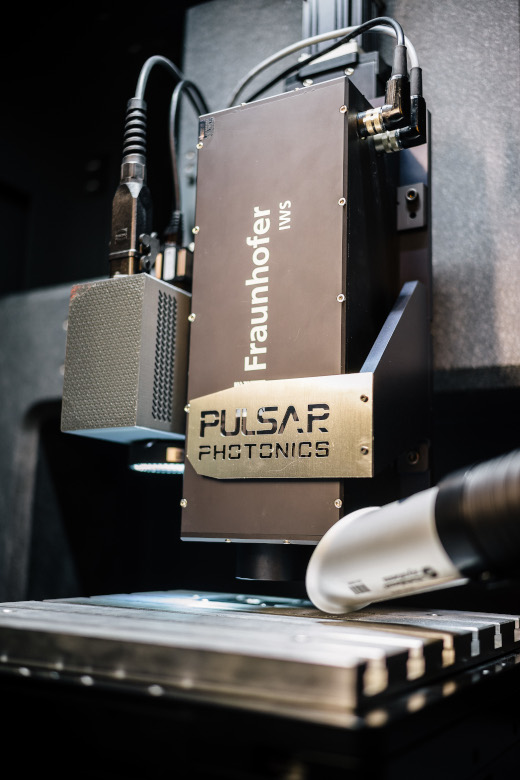
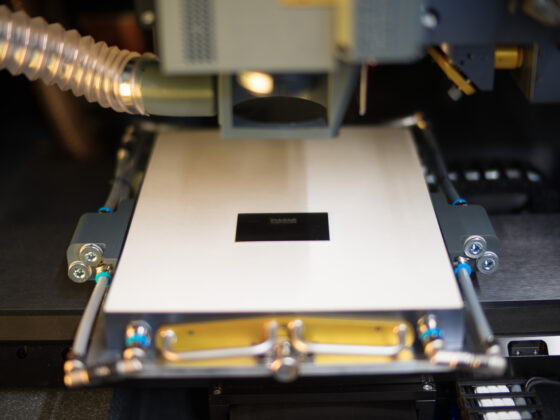
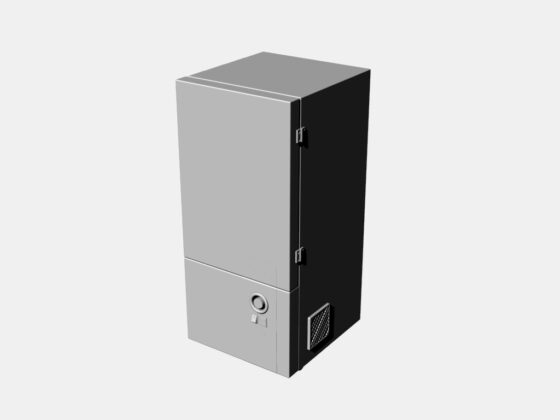
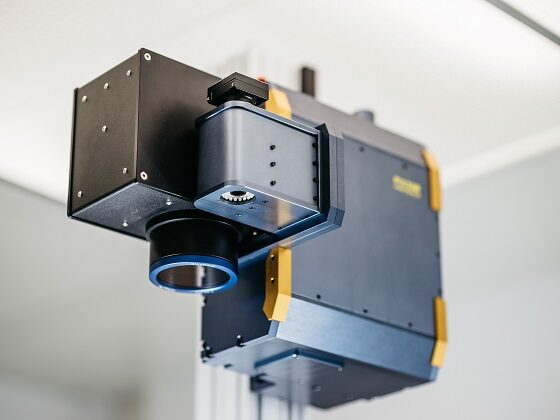
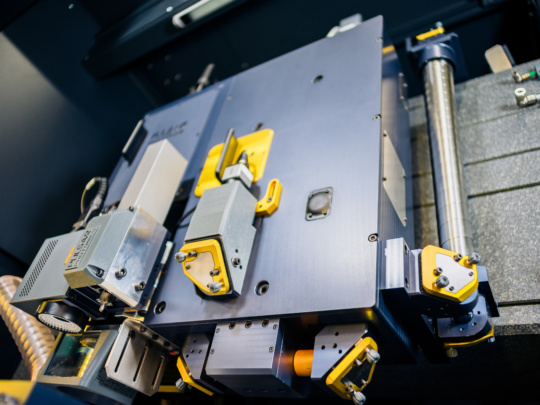
For precise and process-stable cutting of technical ceramics, Pulsar Photonics has developed the RDX1000 Laserwaterjet (LWJ) system platform.
The machine enables crack-free cutting of challenging materials such as aluminum oxide, zirconia, or silicon, even for complex geometries and high quality requirements.
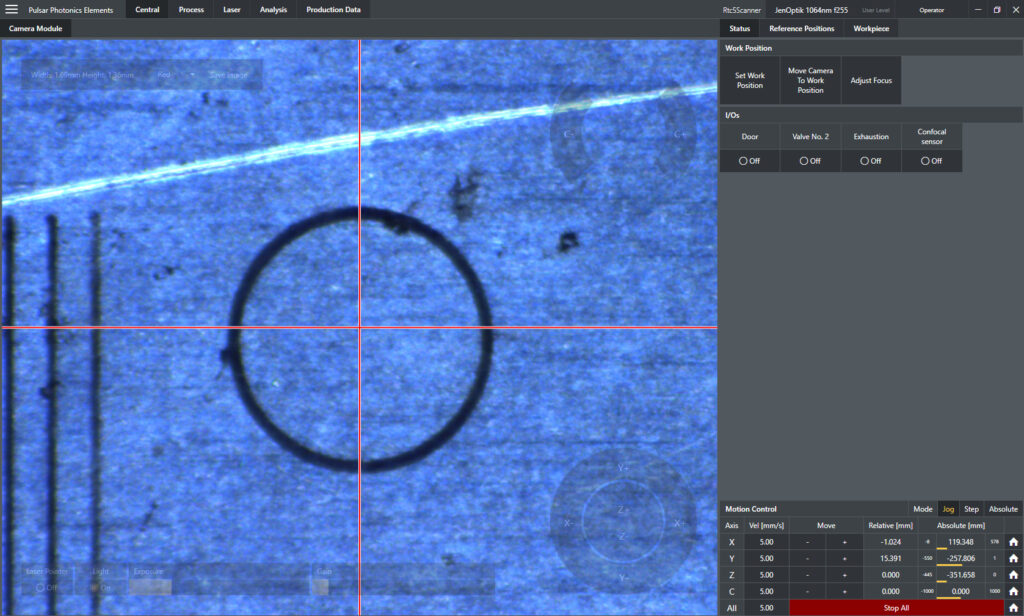
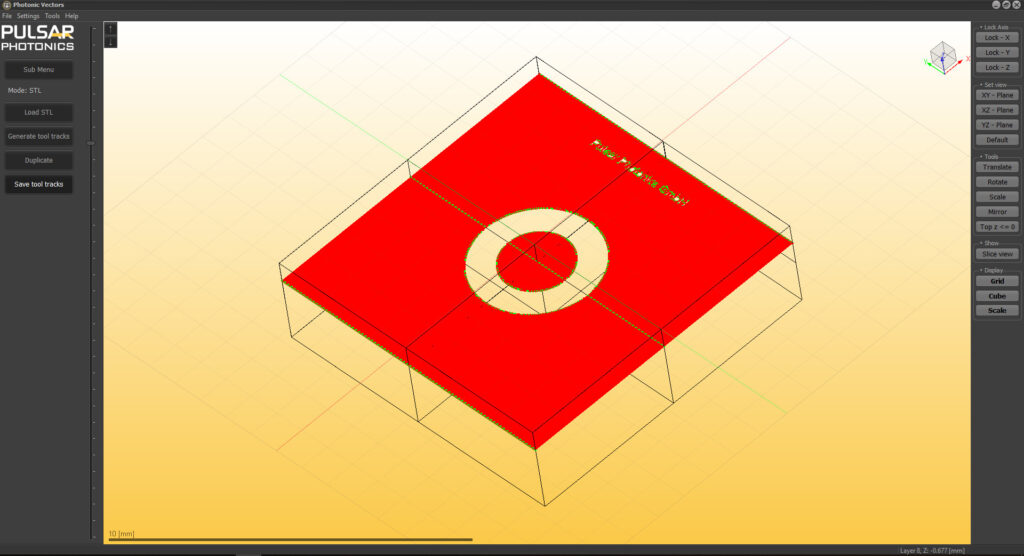
- Intuitive and user-friendly software for generating CAM toolpaths
- Complex machining tasks require no programming knowledge
- Easy import of DXF files
- Second machining station: Optional dry laser
- Automation options for machining & handling
- High flexibility of the system design
- Part dimensions up to 1 m²
- Industrial-grade implementation of LWJ technology
- High process stability
- Integration into existing production lines
- Designed for reproducible quality and high availability
Typical materials & applications
Typical materials for processing using the laser-waterjet method:
- Silicon carbide (SiC)
- Aluminum oxide (Al₂O₃)
- Monocrystalline and polycrystalline aluminum oxide
- Zirconium dioxide (ZrO₂)
- Silicon nitride (Si₃N₄)
- Other high-performance technical ceramics
- Substrates for electronics and power electronics
- Components made from aluminium oxide or zirconia
- Ceramic isolators
- Part for medical technology and sensors
- Thin and structured ceramic components
Even multi-layered or particularly delicate materials can be machined with precision.
Our Products & Services
Laser machines
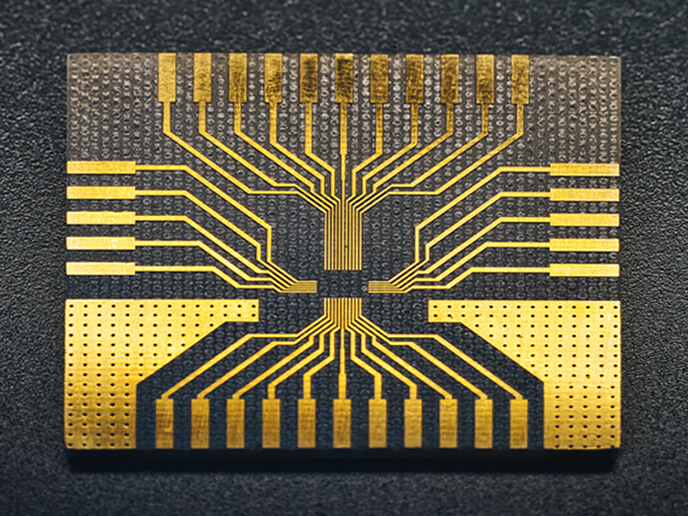
Mechanical engineering for laser material processing. State-of-the-art laser systems for custom manufacturing and automated mass production.
Laser Contract Manufacturing
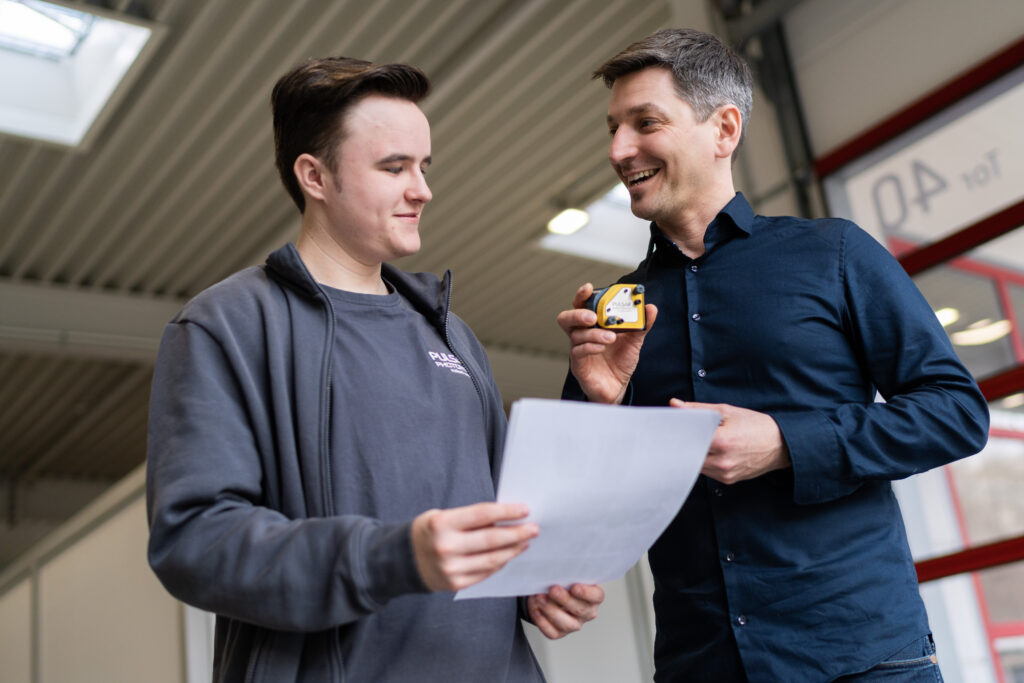
Component manufacturing and machining using ultrashort-pulse lasers. Feasibility studies, process development, and contract manufacturing through to series production.
Feasibility Studies & Process Development
At the Pulsar Laser Application Center, filter designs and processing methods can be developed and tested in collaboration with our clients.
- Feasibility studies for new applications
- Development and optimization of complex geometries
- Tests using real components and materials
- Evaluation of quality, precision, and process stability
- Process validation prior to series production
Do you have a question about a product?
Your Contact Person for sales
Louisa Draack
Technical sales
The company: Why choose Pulsar Photonics?
- Extensive experience in laser micro-machining
We have extensive experience in developing industrial laser processes for precise microstructures and holes in a wide variety of materials - Development, automation, and systems engineering from a single source
From process development to the finished automated production system, we support our customers every step of the way toward industrial implementation - Process development in our own laser application center
New applications and components can be tested in our laser application center and further developed in collaboration with customers - Solutions for industrial series production
Our systems are specifically designed for stable processes, high-volume production, and integration into automated production environments